A clear quote is a project-control tool

Questions to Ask Before Hiring a Shower Contractor

A research-led guide for homeowners collecting bids for a tub conversion or accessible shower. Learn how to compare scope, waterproofing, permits, products, change orders, schedule, cleanup, and warranty terms—without inflated promises, confusing labels, or pressure.

  • Plain-English planning
  • Primary-source references
  • Real product paths
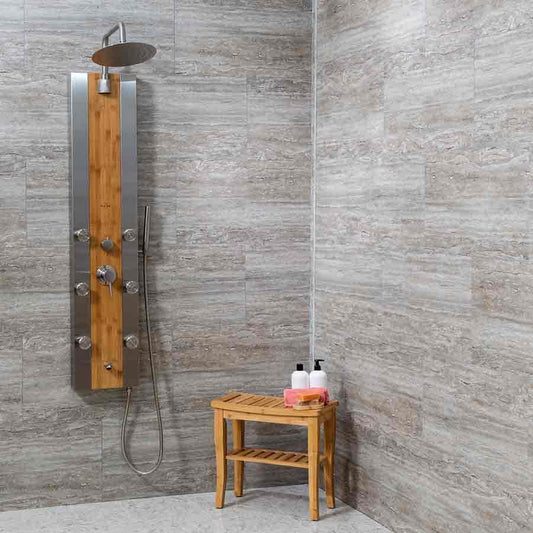
60 x 48 Multi-Piece Designer Roll In Shower — Full Package -Grecian Earth Wall System from Showers4LessFeatured full shower package60 × 48 Grecian Earth Roll-In ShowerView product at Showers4Less →
Quick answer

What roll-in shower contractor questions should accomplish

Roll-In Shower Contractor Questions should solve a defined access or remodeling problem, not merely match a search phrase. The right plan connects scope comparison, license and insurance, waterproofing method, and schedule to the room and the person using it.

For homeowners collecting bids for a tub conversion or accessible shower, the most useful first step is to write down how the bathroom works today, where it fails, and what a successful bathing routine would look like. That short brief makes product comparisons more accurate and contractor conversations more productive.

Decision table

Turn broad preferences into verifiable choices

DecisionWhat to documentWhat can go wrongCloseout proof
Scope ComparisonExisting condition, target outcome, exact model or method, responsible party, and acceptance criteria.A verbal assumption conflicts with the drawing, code review, or manufacturer instructions.Photo, measurement, test result, receipt, instruction sheet, or written warranty appropriate to the work.
License And InsuranceExisting condition, target outcome, exact model or method, responsible party, and acceptance criteria.A component is ordered before the field condition is confirmed.Photo, measurement, test result, receipt, instruction sheet, or written warranty appropriate to the work.
Waterproofing MethodExisting condition, target outcome, exact model or method, responsible party, and acceptance criteria.A verbal assumption conflicts with the drawing, code review, or manufacturer instructions.Photo, measurement, test result, receipt, instruction sheet, or written warranty appropriate to the work.
ScheduleExisting condition, target outcome, exact model or method, responsible party, and acceptance criteria.A component is ordered before the field condition is confirmed.Photo, measurement, test result, receipt, instruction sheet, or written warranty appropriate to the work.
Change OrdersExisting condition, target outcome, exact model or method, responsible party, and acceptance criteria.A verbal assumption conflicts with the drawing, code review, or manufacturer instructions.Photo, measurement, test result, receipt, instruction sheet, or written warranty appropriate to the work.
Closeout DocumentsExisting condition, target outcome, exact model or method, responsible party, and acceptance criteria.A component is ordered before the field condition is confirmed.Photo, measurement, test result, receipt, instruction sheet, or written warranty appropriate to the work.
01

Start with the person, not the product: Scope Comparison

Document how the primary user enters the room, approaches the shower, transfers or remains seated, reaches controls, manages a towel, and exits when wet. A future user may have different strength, balance, vision, or caregiver needs. Those observations turn a broad product search into a functional brief.

For this roll-in shower contractor questions decision, focus specifically on scope comparison. Ask what must be true before work begins, what can be verified during installation, and what the owner should receive at completion. Then connect that answer to license and insurance. A choice that works in isolation can create a conflict elsewhere—for example, a comfortable seat can narrow an approach, or an attractive enclosure can obstruct caregiver access.

Use a simple three-column worksheet: “known,” “verify,” and “decide.” Place field measurements and documented product specifications under known. Put concealed framing, plumbing condition, jurisdictional requirements, and manufacturer clarifications under verify. Put finish, accessories, scheduling, and optional upgrades under decide. This prevents preferences from being mistaken for facts.

Project checkpoint

Before approving scope comparison, identify who owns the decision, which document controls it, and how it affects license and insurance and waterproofing method. If the answer lives only in a sales conversation, add it to the written scope.

Questions worth asking

  • What field condition could change the plan for scope comparison?
  • Which current drawing or manufacturer document confirms license and insurance?
  • How will the installer test or demonstrate waterproofing method?
  • What maintenance or replacement access will remain after finishes are complete?
02

Measure the complete route: License And Insurance

Record door widths, door swings, hallway turns, bathroom floor area, toilet and vanity projections, baseboards, finished-wall dimensions, ceiling height, drain location, supply-wall location, and subfloor type. Photograph a tape measure in each image so the scale remains clear later.

For this roll-in shower contractor questions decision, focus specifically on license and insurance. Ask what must be true before work begins, what can be verified during installation, and what the owner should receive at completion. Then connect that answer to waterproofing method. A choice that works in isolation can create a conflict elsewhere—for example, a comfortable seat can narrow an approach, or an attractive enclosure can obstruct caregiver access.

Use a simple three-column worksheet: “known,” “verify,” and “decide.” Place field measurements and documented product specifications under known. Put concealed framing, plumbing condition, jurisdictional requirements, and manufacturer clarifications under verify. Put finish, accessories, scheduling, and optional upgrades under decide. This prevents preferences from being mistaken for facts.

Project checkpoint

Before approving license and insurance, identify who owns the decision, which document controls it, and how it affects waterproofing method and schedule. If the answer lives only in a sales conversation, add it to the written scope.

Questions worth asking

  • What field condition could change the plan for license and insurance?
  • Which current drawing or manufacturer document confirms waterproofing method?
  • How will the installer test or demonstrate schedule?
  • What maintenance or replacement access will remain after finishes are complete?
03

Separate shell size from usable space: Waterproofing Method

A model name often describes nominal dimensions. Finished interior space can be smaller, while flanges and framing requirements can make the rough opening different. Obtain the current specification sheet and installation instructions for the exact model and drain orientation before demolition.

40" x 38" ADA Compliant Handicap Shower — Barrier Free Shower product exampleSee this shower pan and planning notes →

For this roll-in shower contractor questions decision, focus specifically on waterproofing method. Ask what must be true before work begins, what can be verified during installation, and what the owner should receive at completion. Then connect that answer to schedule. A choice that works in isolation can create a conflict elsewhere—for example, a comfortable seat can narrow an approach, or an attractive enclosure can obstruct caregiver access.

Use a simple three-column worksheet: “known,” “verify,” and “decide.” Place field measurements and documented product specifications under known. Put concealed framing, plumbing condition, jurisdictional requirements, and manufacturer clarifications under verify. Put finish, accessories, scheduling, and optional upgrades under decide. This prevents preferences from being mistaken for facts.

Project checkpoint

Before approving waterproofing method, identify who owns the decision, which document controls it, and how it affects schedule and change orders. If the answer lives only in a sales conversation, add it to the written scope.

Questions worth asking

  • What field condition could change the plan for waterproofing method?
  • Which current drawing or manufacturer document confirms schedule?
  • How will the installer test or demonstrate change orders?
  • What maintenance or replacement access will remain after finishes are complete?
04

Treat water management as a system: Schedule

A low entry changes how water is contained. Floor slope, drain capacity, waterproofing transitions, spray direction, curtain or glass placement, room ventilation, and the drying routine must work together. A powerful showerhead aimed at an open entry can defeat an otherwise careful design.

For this roll-in shower contractor questions decision, focus specifically on schedule. Ask what must be true before work begins, what can be verified during installation, and what the owner should receive at completion. Then connect that answer to change orders. A choice that works in isolation can create a conflict elsewhere—for example, a comfortable seat can narrow an approach, or an attractive enclosure can obstruct caregiver access.

Use a simple three-column worksheet: “known,” “verify,” and “decide.” Place field measurements and documented product specifications under known. Put concealed framing, plumbing condition, jurisdictional requirements, and manufacturer clarifications under verify. Put finish, accessories, scheduling, and optional upgrades under decide. This prevents preferences from being mistaken for facts.

Project checkpoint

Before approving schedule, identify who owns the decision, which document controls it, and how it affects change orders and closeout documents. If the answer lives only in a sales conversation, add it to the written scope.

Questions worth asking

  • What field condition could change the plan for schedule?
  • Which current drawing or manufacturer document confirms change orders?
  • How will the installer test or demonstrate closeout documents?
  • What maintenance or replacement access will remain after finishes are complete?
05

Coordinate structure before finishes: Change Orders

Grab bars, folding seats, doors, wall panels, and some controls need solid backing or manufacturer-approved anchors. Plan reinforcement while walls are open. Mark its dimensions and photograph it before the finished surface hides the framing.

For this roll-in shower contractor questions decision, focus specifically on change orders. Ask what must be true before work begins, what can be verified during installation, and what the owner should receive at completion. Then connect that answer to closeout documents. A choice that works in isolation can create a conflict elsewhere—for example, a comfortable seat can narrow an approach, or an attractive enclosure can obstruct caregiver access.

Use a simple three-column worksheet: “known,” “verify,” and “decide.” Place field measurements and documented product specifications under known. Put concealed framing, plumbing condition, jurisdictional requirements, and manufacturer clarifications under verify. Put finish, accessories, scheduling, and optional upgrades under decide. This prevents preferences from being mistaken for facts.

Project checkpoint

Before approving change orders, identify who owns the decision, which document controls it, and how it affects closeout documents and scope comparison. If the answer lives only in a sales conversation, add it to the written scope.

Questions worth asking

  • What field condition could change the plan for change orders?
  • Which current drawing or manufacturer document confirms closeout documents?
  • How will the installer test or demonstrate scope comparison?
  • What maintenance or replacement access will remain after finishes are complete?
06

Choose controls by reach and use: Closeout Documents

A valve that looks centered may be unreachable from a seat or outside the spray. Consider whether the user must start the water before entering, adjust temperature while seated, or hand a spray wand to a caregiver. Hose length, docking height, and control force matter.

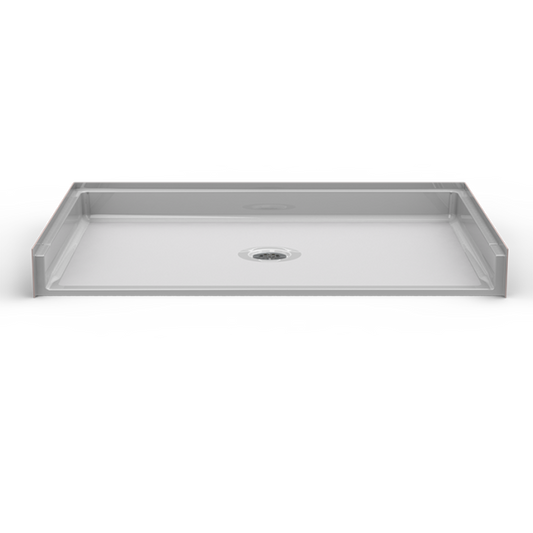
48" X 36" Roll In Shower Pan — Barrier Free Trench Drain/Center Drain Option product exampleSee this shower pan and planning notes →

For this roll-in shower contractor questions decision, focus specifically on closeout documents. Ask what must be true before work begins, what can be verified during installation, and what the owner should receive at completion. Then connect that answer to scope comparison. A choice that works in isolation can create a conflict elsewhere—for example, a comfortable seat can narrow an approach, or an attractive enclosure can obstruct caregiver access.

Use a simple three-column worksheet: “known,” “verify,” and “decide.” Place field measurements and documented product specifications under known. Put concealed framing, plumbing condition, jurisdictional requirements, and manufacturer clarifications under verify. Put finish, accessories, scheduling, and optional upgrades under decide. This prevents preferences from being mistaken for facts.

Project checkpoint

Before approving closeout documents, identify who owns the decision, which document controls it, and how it affects scope comparison and license and insurance. If the answer lives only in a sales conversation, add it to the written scope.

Questions worth asking

  • What field condition could change the plan for closeout documents?
  • Which current drawing or manufacturer document confirms scope comparison?
  • How will the installer test or demonstrate license and insurance?
  • What maintenance or replacement access will remain after finishes are complete?
07

Build an itemized budget: Scope Comparison

Ask the quote to separate the shower system, freight, demolition, disposal, carpentry, subfloor repair, plumbing, electrical work, waterproofing, wall finish, accessories, permits, and cleanup. Allow a contingency for concealed damage but require approval before added work.

For this roll-in shower contractor questions decision, focus specifically on scope comparison. Ask what must be true before work begins, what can be verified during installation, and what the owner should receive at completion. Then connect that answer to license and insurance. A choice that works in isolation can create a conflict elsewhere—for example, a comfortable seat can narrow an approach, or an attractive enclosure can obstruct caregiver access.

Use a simple three-column worksheet: “known,” “verify,” and “decide.” Place field measurements and documented product specifications under known. Put concealed framing, plumbing condition, jurisdictional requirements, and manufacturer clarifications under verify. Put finish, accessories, scheduling, and optional upgrades under decide. This prevents preferences from being mistaken for facts.

Project checkpoint

Before approving scope comparison, identify who owns the decision, which document controls it, and how it affects license and insurance and waterproofing method. If the answer lives only in a sales conversation, add it to the written scope.

Questions worth asking

  • What field condition could change the plan for scope comparison?
  • Which current drawing or manufacturer document confirms license and insurance?
  • How will the installer test or demonstrate waterproofing method?
  • What maintenance or replacement access will remain after finishes are complete?
08

Verify responsibilities in writing: License And Insurance

Clarify who measures, orders, receives, inspects for freight damage, pulls permits, protects the home, shuts off water, handles debris, performs each trade, and completes warranty registration. Product warranty and labor warranty are separate promises.

For this roll-in shower contractor questions decision, focus specifically on license and insurance. Ask what must be true before work begins, what can be verified during installation, and what the owner should receive at completion. Then connect that answer to waterproofing method. A choice that works in isolation can create a conflict elsewhere—for example, a comfortable seat can narrow an approach, or an attractive enclosure can obstruct caregiver access.

Use a simple three-column worksheet: “known,” “verify,” and “decide.” Place field measurements and documented product specifications under known. Put concealed framing, plumbing condition, jurisdictional requirements, and manufacturer clarifications under verify. Put finish, accessories, scheduling, and optional upgrades under decide. This prevents preferences from being mistaken for facts.

Project checkpoint

Before approving license and insurance, identify who owns the decision, which document controls it, and how it affects waterproofing method and schedule. If the answer lives only in a sales conversation, add it to the written scope.

Questions worth asking

  • What field condition could change the plan for license and insurance?
  • Which current drawing or manufacturer document confirms waterproofing method?
  • How will the installer test or demonstrate schedule?
  • What maintenance or replacement access will remain after finishes are complete?
09

Plan for maintenance: Waterproofing Method

Ask how the drain is accessed, which cleaners are allowed, how seams are inspected, whether caulk is part of routine maintenance, how a folding seat is tightened, and where replacement parts come from. Easy maintenance protects both appearance and performance.

54" x 36" Barrier Free Shower Pan — Step In product exampleSee this shower pan and planning notes →

For this roll-in shower contractor questions decision, focus specifically on waterproofing method. Ask what must be true before work begins, what can be verified during installation, and what the owner should receive at completion. Then connect that answer to schedule. A choice that works in isolation can create a conflict elsewhere—for example, a comfortable seat can narrow an approach, or an attractive enclosure can obstruct caregiver access.

Use a simple three-column worksheet: “known,” “verify,” and “decide.” Place field measurements and documented product specifications under known. Put concealed framing, plumbing condition, jurisdictional requirements, and manufacturer clarifications under verify. Put finish, accessories, scheduling, and optional upgrades under decide. This prevents preferences from being mistaken for facts.

Project checkpoint

Before approving waterproofing method, identify who owns the decision, which document controls it, and how it affects schedule and change orders. If the answer lives only in a sales conversation, add it to the written scope.

Questions worth asking

  • What field condition could change the plan for waterproofing method?
  • Which current drawing or manufacturer document confirms schedule?
  • How will the installer test or demonstrate change orders?
  • What maintenance or replacement access will remain after finishes are complete?
10

Use standards carefully: Schedule

The ADA Standards govern covered facilities and define specific configurations. A private home is not automatically required to follow the ADA, and a single product cannot make an entire room compliant. Even so, the standards can be a valuable reference when a qualified designer applies them to the correct setting.

For this roll-in shower contractor questions decision, focus specifically on schedule. Ask what must be true before work begins, what can be verified during installation, and what the owner should receive at completion. Then connect that answer to change orders. A choice that works in isolation can create a conflict elsewhere—for example, a comfortable seat can narrow an approach, or an attractive enclosure can obstruct caregiver access.

Use a simple three-column worksheet: “known,” “verify,” and “decide.” Place field measurements and documented product specifications under known. Put concealed framing, plumbing condition, jurisdictional requirements, and manufacturer clarifications under verify. Put finish, accessories, scheduling, and optional upgrades under decide. This prevents preferences from being mistaken for facts.

Project checkpoint

Before approving schedule, identify who owns the decision, which document controls it, and how it affects change orders and closeout documents. If the answer lives only in a sales conversation, add it to the written scope.

Questions worth asking

  • What field condition could change the plan for schedule?
  • Which current drawing or manufacturer document confirms change orders?
  • How will the installer test or demonstrate closeout documents?
  • What maintenance or replacement access will remain after finishes are complete?
Primary sources

Use the right authority for the question

Accessibility, benefits, product fit, and construction quality are different questions. No single webpage answers all four. These primary sources are starting points; local codes, the authority having jurisdiction, current program rules, manufacturer instructions, and project-specific professional advice still control.

Common questions

Roll-In Shower Contractor Questions FAQ

Is roll-in shower contractor questions the same thing as an ADA-compliant shower?

Not automatically. ADA compliance depends on the applicable facility, complete configuration, clearances, controls, grab bars, seat when required, installation, and other provisions—not a marketing label on one component. Private homes are generally a different regulatory context, although ADA dimensions can inform planning.

What should I measure before shopping for roll-in shower contractor questions?

Measure the route into the room, doorway and swing, finished wall-to-wall opening, floor area, drain center, supply wall, subfloor and joist direction when known, nearby fixtures, ceiling, and the user’s approach and reach. Product rough-in instructions must be checked against field dimensions.

Can I get an accurate price from photos alone?

Photos help identify scope, but an accurate quote usually needs dimensions, location, product choice, plumbing and electrical scope, access conditions, finish decisions, permit expectations, and allowances for concealed conditions. Ask for an itemized scope and change-order process.

Can roll-in shower contractor questions be installed where a bathtub is now?

Often, but fit is not automatic. The alcove, drain, framing, floor height, room approach, and selected system must be evaluated. A nominal 60-inch product may have rough-opening and finished-interior dimensions that differ from its name.

What is the most common planning mistake?

Ordering a visible component before confirming the invisible conditions. Drain placement, framing, subfloor geometry, reinforcement, waterproofing transitions, freight access, and the user’s actual movement can all change the correct product or scope.

How do I compare contractors?

Give each bidder the same written brief. Compare product model, demolition, protection, plumbing, waterproofing, wall preparation, accessories, permits, cleanup, schedule, payment milestones, exclusions, warranties, and how concealed conditions are handled.

Which detail matters most for scope comparison?

The important detail is whether the documented plan matches the field condition and the user. Confirm the exact specification, responsibility, installation method, and inspection or test that will show it was completed correctly.

Where can I buy a roll-in shower system?

Showers4Less offers roll-in pans and multi-piece packages in several footprints. Use the product links on this site as a starting point, then verify the live listing and speak with the seller or installer about fit, included parts, freight, and current specifications.

Talk through the project

Request roll-in shower guidance and a quote

Share the basic room and user needs. Aging Safely Baths can discuss product and installation paths. Submitting the form does not guarantee service availability, funding, product fit, price, or project timing.

1-888-779-2284

Your information is used to respond to this inquiry. You can also call instead.
Project notebook

Additional field checks for roll-in shower contractor questions

Field note 1: Scope Comparison

Record the decision in the project file with the date, exact product or method, and the person responsible. This is especially important for scope comparison because a later substitution can affect license and insurance. In the context of roll-in shower contractor questions, connect this check to waterproofing method and change orders. Write down any assumption that still needs confirmation before money is committed or work is concealed.

Field note 2: License And Insurance

Ask the user to rehearse the movement using a dry mock-up when practical. Painter’s tape can show the entry, seat edge, controls, and nearby fixtures without pretending to prove code compliance. In the context of roll-in shower contractor questions, connect this check to schedule and closeout documents. Write down any assumption that still needs confirmation before money is committed or work is concealed.

Field note 3: Waterproofing Method

Keep the current installation manual with the contract documents. Product pages can change, so save the version used for measuring and ordering and confirm revisions before installation. In the context of roll-in shower contractor questions, connect this check to change orders and scope comparison. Write down any assumption that still needs confirmation before money is committed or work is concealed.

Field note 4: Schedule

Photograph concealed work before it is covered. Include wide views for location and close views with a tape measure for reinforcement, plumbing, and waterproofing transitions. In the context of roll-in shower contractor questions, connect this check to closeout documents and license and insurance. Write down any assumption that still needs confirmation before money is committed or work is concealed.

Call 1-888-779-2284